


ABOUT PBC
Whether you were recently diagnosed with primary biliary cholangitis (PBC) or are just trying to learn more, understanding PBC can help you take an active role in managing your treatment.
What is PBC?

PBC is a rare autoimmune disease in which the body’s immune system attacks healthy cells in the liver by mistake. People with PBC experience liver inflammation and buildup of toxins, such as bile acids, causing liver damage and reduced liver function.
If left untreated, PBC can lead to liver complications, resulting in the need for a liver transplant or in death. However, there are treatment options available to you.
Understanding PBC and talking to your doctor about your treatment plan is the key to staying ahead of and managing the disease.
What causes PBC?

Genetics and environmental triggers can increase the risk of developing PBC, but ultimately the cause is unknown. It’s important for you to know that your diagnosis was not caused by anything you did.

PBC is: Multifactorial (made up of genetic and environmental factors). While a cause is not fully understood, it is treatable.
PBC is NOT: Alcohol related

“PBC isn’t my fault—this is just the way my liver works.”
-KATHY,
LIVING WITH PBC

Understanding PBC starts with understanding lab levels
Liver markers your doctor will test:
Alkaline phosphatase (ALP)
A type of protein, called an enzyme, that is found in the liver and other parts of the body
Bilirubin
A substance that is made when red blood cells are broken down; it passes through the liver to be removed from the body
Elevated (higher) ALP and bilirubin levels may mean:

Liver damage or disease (such as PBC)

PBC treatment isn’t working well enough

Disease progression
Because PBC affects the liver gradually and symptoms can change over time, doctors often use a series of laboratory (blood) tests to understand how the liver is functioning. These tests can help show whether PBC is being well managed or if adjustments to treatment may be needed. Your doctor may review your lab levels at regular appointments to look for patterns or changes that offer insight into your overall liver health.
Know your numbers
Monitoring your lab levels over time can give you and your doctor a clearer view of if and how PBC is progressing. Refer to the scale below to see a range of normal to elevated ALP and bilirubin levels.

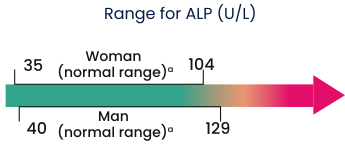
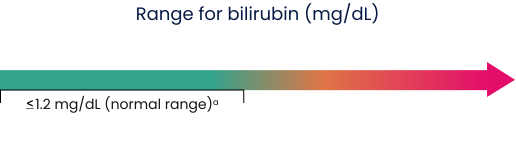
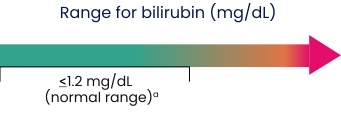
aNormal values may vary based on lab used.
When discussing these levels with your doctor, you may hear the term “upper limit of normal,” or ULN. The ULN is the high end of a normal range for a lab result. In context of PBC, a high ALP level is usually defined as being at least 1.5 to 2 times the ULN.
The latest PBC guidance recommends getting lab tests done every 3-6 months. Discuss your lab levels with your doctor and make sure your treatment plan is working for you.


Learning about PBC is an important first step in navigating your care
Read this brochure for a helpful overview of the condition and commonly discussed topics.